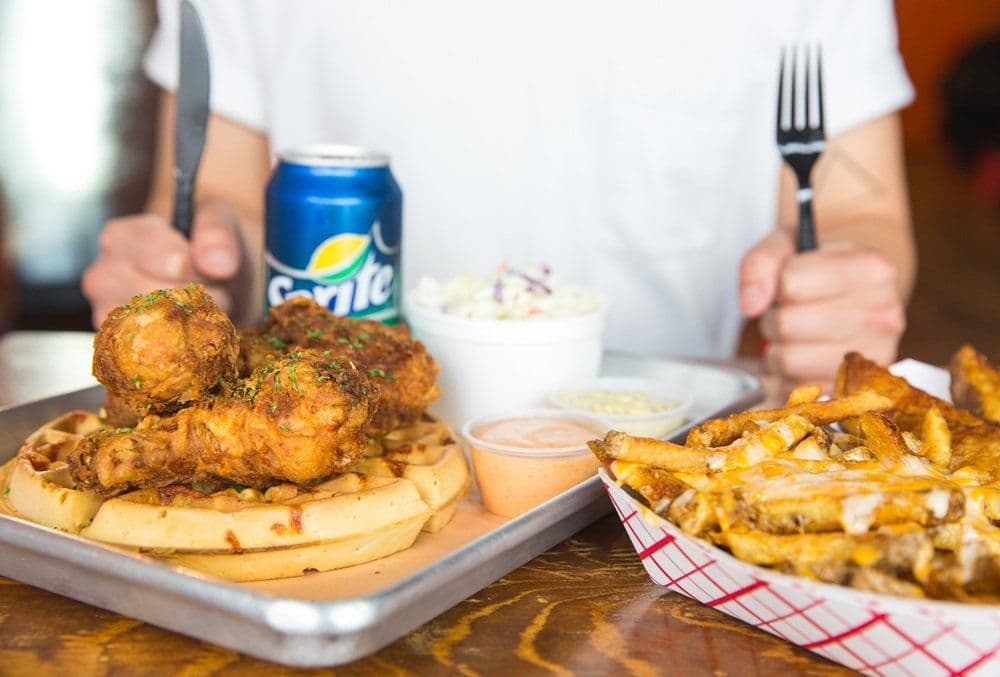
There’s something almost addictive about biting into perfectly crispy fried chicken. That sharp crunch followed by juicy, tender meat inside—it’s not an accident. It’s a mix of science, technique, and a few small details that most people overlook.
If you’ve ever wondered how fried chicken is made crispy, you’re not alone. Whether you’re cooking at home or just curious about what makes restaurant chicken taste better, this guide breaks it all down in a simple, practical way.
What “Crispy” Really Means
Crispy isn’t just about hardness or crunch. It’s about texture contrast—a golden, crunchy coating paired with moist chicken inside.
That contrast comes from:
- Moisture control
- Proper coating layers
- The right frying temperature
- Timing
When any one of these goes wrong, the result is soggy or greasy chicken instead of that crave-worthy crunch.
The Science Behind Crispy Chicken
To understand how fried chicken is made crispy, you need to know what happens when chicken hits hot oil.
When chicken is dropped into oil (usually around 325–350°F), three things happen:
- Water inside the coating turns into steam
- The outer layer dries and hardens
- Sugars and proteins react (this is called the Maillard reaction)
That reaction is what creates the golden color and rich flavor.
“Crispiness is created when moisture escapes quickly and leaves behind a structured crust.”
If the oil is too cold, the coating absorbs oil instead of sealing. If it’s too hot, the outside burns before the inside cooks.
The Role of the Coating (Crunch Starts Here)
The coating is where most of the magic happens. A well-built crunchy coating creates layers that fry differently, giving you that signature texture.
Most recipes use a mix of:
- Flour
- Cornstarch or baking powder
- Seasonings
Cornstarch is especially useful because it reduces gluten formation, making the crust lighter and crispier.
Some chefs even double-coat the chicken to create extra ridges—those crispy flakes you see on high-quality fried chicken.
Why Buttermilk Makes a Difference
Marinating chicken in buttermilk isn’t just for flavor—it directly impacts chicken texture.
Buttermilk:
- Breaks down proteins, making meat tender
- Adds slight acidity
- Helps coating stick better
This is why fried chicken from restaurants often feels softer inside but crunchier outside compared to home versions.
Key Frying Techniques That Change Everything
Even with the right ingredients, poor technique can ruin everything. Here are a few frying techniques that actually matter:
- Keep oil temperature consistent (use a thermometer if possible)
- Don’t overcrowd the pan (it drops oil temperature fast)
- Let coated chicken rest before frying (helps coating stick)
- Use a wire rack instead of paper towels after frying
These small steps are often the difference between average and great fried chicken.
Oil Temperature: The Make-or-Break Factor
If there’s one thing that defines how fried chicken is made crispy, it’s oil temperature.
- Below 300°F: Greasy, soggy coating
- 325–350°F: Perfect crisp and even cooking
- Above 375°F: Burnt outside, raw inside
Maintaining heat is key. Every time you add chicken, the oil cools down. That’s why professional kitchens fry in batches.
Moisture Is the Enemy of Crispiness
Water and crispiness don’t mix.
Before coating your chicken:
- Pat it completely dry
- Avoid excess marinade dripping
- Let coated chicken sit for 10–15 minutes
This resting step helps the coating hydrate slightly and stick better during frying.
These crispy chicken tips may seem small, but they solve one of the most common problems—coating falling off during frying.
The Double-Coating Trick
Want that extra crunch you get at restaurants? Double coating is the answer.
Here’s how it works:
1. Coat chicken in flour
2. Dip back into liquid (buttermilk or egg mix)
3. Coat again with flour
This builds layers that fry unevenly, creating ridges and flakes—exactly what makes fried chicken so satisfying.
Resting After Frying (Most People Skip This)
Once the chicken is fried, don’t serve it immediately.
Let it rest on a wire rack for a few minutes. This allows:
- Steam to escape
- Coating to firm up
- Oil to drain properly
If you place it on paper towels, trapped steam can soften the crust.
Real-World Example: Why Restaurant Chicken Tastes Better
Restaurants follow strict systems:
- Controlled oil temperature
- Pre-measured coatings
- Consistent frying times
- High-capacity fryers
According to industry data, maintaining consistent frying temperature can improve food quality by up to 30% in commercial kitchens.
That’s why when you order items like fried chicken sandwiches, the texture is almost always more consistent than homemade versions.
Common Mistakes That Ruin Crispiness
Even small errors can ruin the final result. Watch out for these:
- Skipping drying step
- Using cold oil
- Overcrowding the fryer
- Not seasoning the coating properly
- Serving immediately without resting
Fixing these alone can dramatically improve your results.
How Crispy Chicken Fits Different Meals
Crispy chicken isn’t just a standalone dish—it works across multiple menu items.
For example:
- In fried chicken salad, crispiness adds contrast to fresh greens
- In wraps or burgers, it adds structure and bite
- In casual meals, it pairs well with simple sides
Texture is what makes these dishes feel complete.
Can You Make Crispy Chicken Healthier?
Yes, but with trade-offs.
Air frying and oven baking can create a decent crust, but they don’t fully replicate deep frying. That said, using lighter coatings and proper airflow can still give you a satisfying crunch.
For those looking for budget friendly chicken, simple ingredients like flour and spices can still deliver great results without expensive setups.
Final Thoughts
So, how fried chicken is made crispy comes down to a few key factors:
- Dry surface before coating
- Layered, well-seasoned coating
- Proper oil temperature
- Smart frying techniques
- Resting after cooking
It’s not one big secret, it’s a combination of small, controlled steps.
Once you understand these basics, you’ll notice the difference immediately, whether you’re cooking at home or deciding where to order online for your next meal.